
Top Landscaping Mistakes Sydney Homeowners Should Avoid in 2026
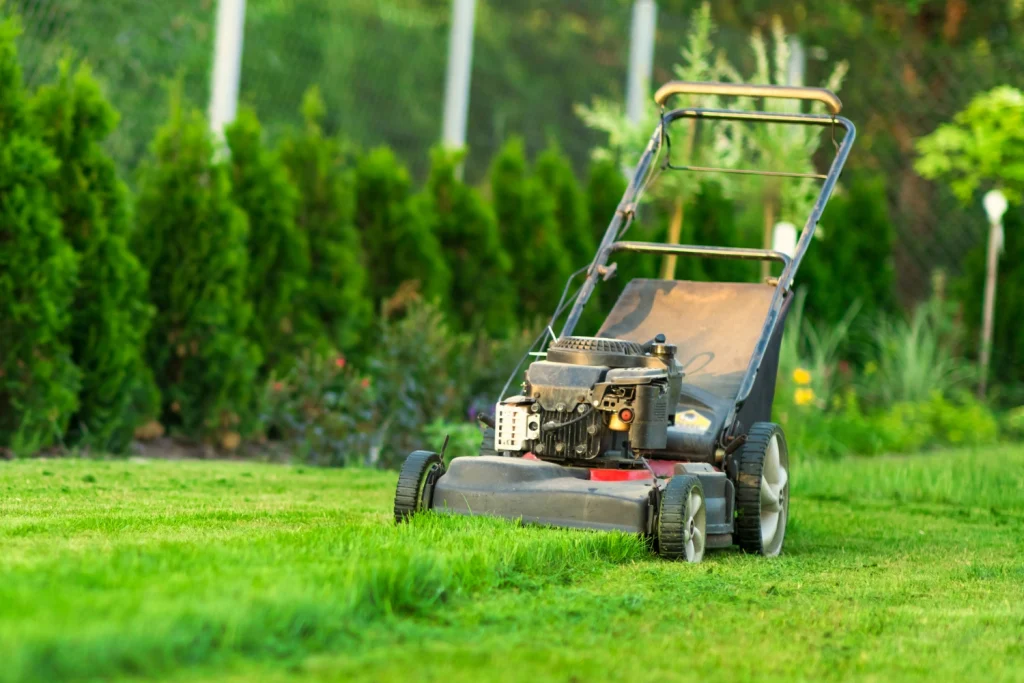
Creating a beautiful outdoor space in Sydney is no small task. With unpredictable weather, coastal winds, harsh summer heat, and increasingly water-conscious regulations, a well-designed landscape needs more than just good looks—it needs strategy. In 2026, we continue to see homeowners make the same costly landscaping mistakes that sabotage curb appeal, waste money, and create long-term maintenance issues.
We’re here to help you avoid these pitfalls with a detailed guide on the top landscaping mistakes Sydney homeowners should avoid in 2026—especially around plant placement, over-watering, poor soil preparation, and more.
Choosing Plants Unsuitable for Sydney’s Climate
Sydney’s climate swings from humid summers to mild winters, meaning not every plant can thrive here. One of the biggest mistakes we see is choosing plants simply because they look good at the nursery.
Why Wrong Plant Choice Leads to Failure
They struggle with heat stress
They require more water than the property can sustain
They attract pests rarely found in native species
They lead to repeated replacements and higher costs
What Works Best in 2026
More homeowners are shifting toward:
Native Australian plants (banksias, grevilleas, kangaroo paws)
Drought-tolerant shrubs and grasses
Low-maintenance groundcovers that thrive in coastal zones
By choosing climate-resilient plants, homeowners save money while boosting garden longevity.
Incorrect Plant Placement: The Silent Landscape Killer
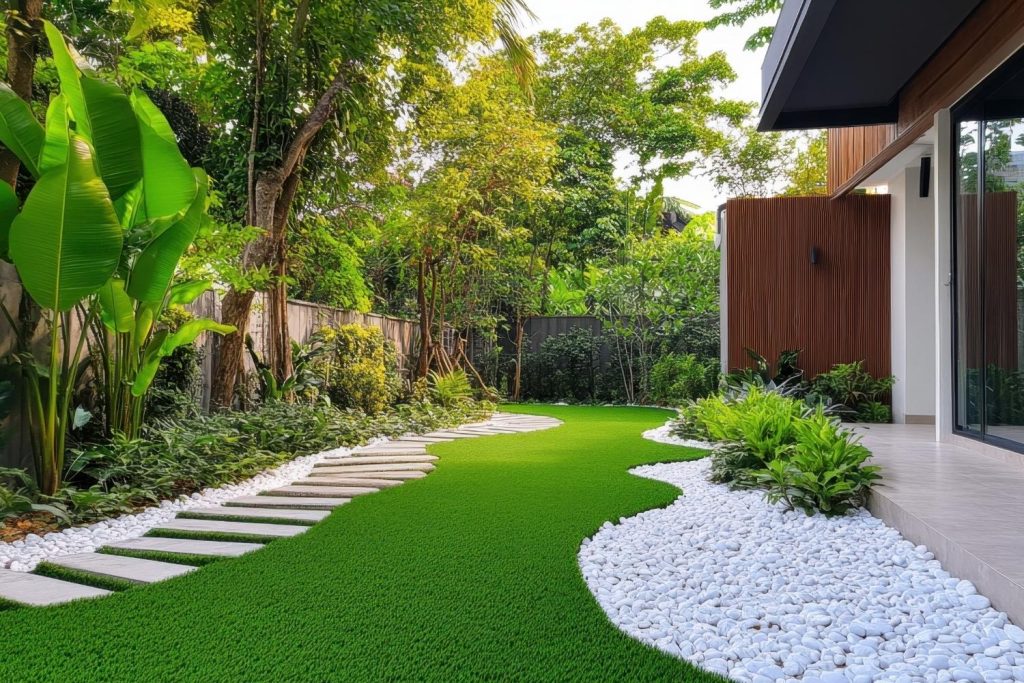
Plant placement is one of the most overlooked elements of landscaping—and one of the biggest reasons gardens fail.
Common Placement Errors
Planting sun-loving species in shaded zones
Installing tall plants in front of windows or pathways
Placing trees too close to foundations, pools, or pipes
Overcrowding beds, leaving no room for growth
These mistakes cause rapid plant decline, moisture problems, root damage, and poor curb appeal.
How to Get Placement Right in 2026
Map sunlight patterns throughout the day
Leave proper spacing for future growth
Keep tree roots away from underground utilities
Position shade plants under taller canopies or fences
Good placement ensures healthier plants and a far more balanced, natural landscape design.
Over-Watering: The Costly and Dangerous Habit
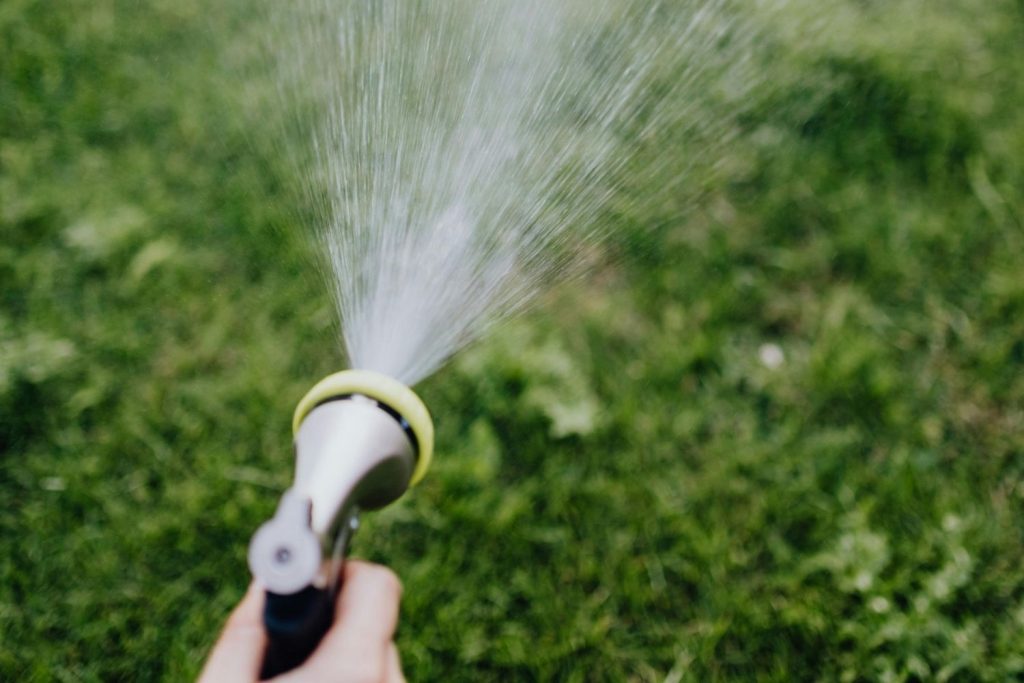
Sydney homeowners often believe more water equals healthier plants—but over-watering is the top cause of plant death, especially in 2026’s more water-conscious environment.
Signs of Over-Watering
Yellowing leaves
Soft or mushy stems
Mould or fungus on soil
Increased pest issues (fungus gnats love wet soil)
Why Over-Watering Is Risky
Wastes water and increases bills
Causes root rot
Encourages diseases
Creates nutrient imbalance
Smart Watering Solutions
Install drip irrigation systems
Use moisture sensors
Water early morning to reduce evaporation
Choose mulches to retain moisture naturally
Using less water not only saves money—it keeps your plants healthier.
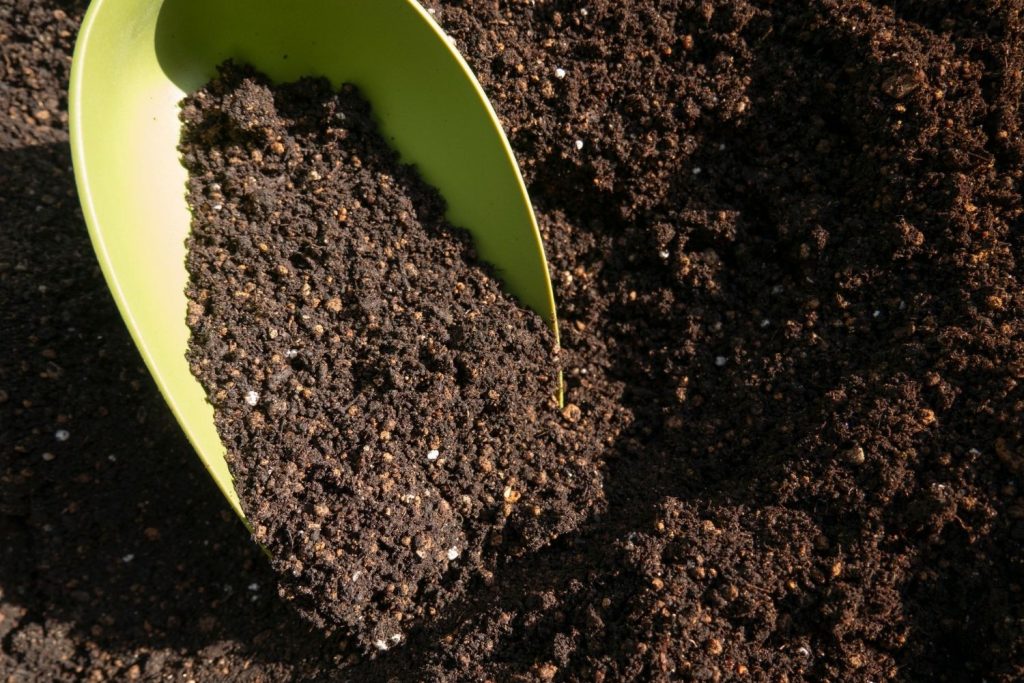
Poor Soil Preparation: The Root of Most Landscaping Issues
You can’t build a strong home on a weak foundation, and the same goes for your garden. The biggest landscaping failures originate underground—literally.
Typical Soil Prep Mistakes
Planting directly into poor, compacted clay
Ignoring soil pH
Skipping compost and organic matter
Failing to aerate soil in older gardens
The Right Way to Prepare Soil in 2026
Conduct a soil test before planting
Mix in premium organic compost
Add gypsum to break up clay-heavy soils
Incorporate slow-release fertilisers
Improve drainage with sand or gravel where needed
Healthy soil equals healthier plants, stronger root systems, and reduced maintenance.
Ignoring Drainage Problems
Sydney’s heavy storms can quickly turn a beautiful garden into a swamp if drainage isn’t managed correctly.
Drainage Mistakes to Avoid
Landscaping slopes toward the house
Lack of drainage channels or ag pipes
Overuse of impermeable surfaces
Low-lying garden beds that hold water
Smart Drainage Fixes
Install French drains
Use permeable pavers
Design sloped gardens that drain outward
Raise garden beds to prevent waterlogging
Good drainage protects your home structure and keeps plants thriving year-round.
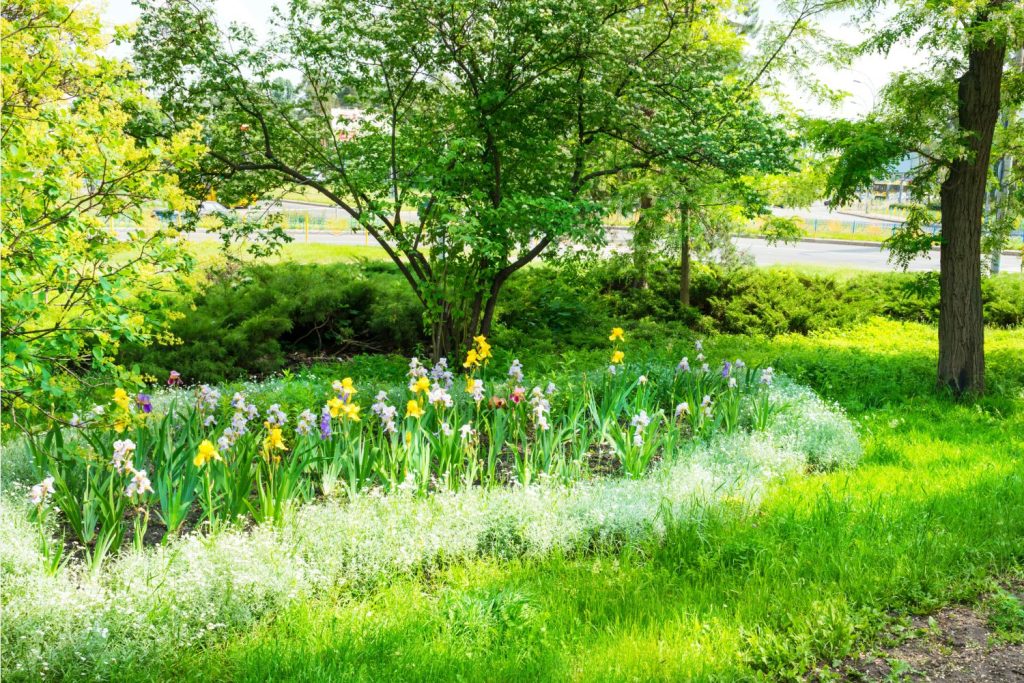
Overcrowding Your Landscape
Many homeowners try to create a lush garden instantly by overplanting. In a few months, everything grows uncontrollably, leading to maintenance nightmares.
Problems Caused by Overcrowding
Plants compete for nutrients
Reduced air circulation leads to disease
Overgrown shrubs block pathways and windows
Expensive trimming and replanting
Neglecting Regular Maintenance
Even a perfectly designed landscape needs care. Many homeowners ignore small issues until they become major problems.
Essential Maintenance Tasks
Seasonal pruning
Mulching annually
Replenishing soil nutrients
Inspecting irrigation systems
Removing weeds before they spread
A landscape that’s maintained consistently stays vibrant and increases property value.
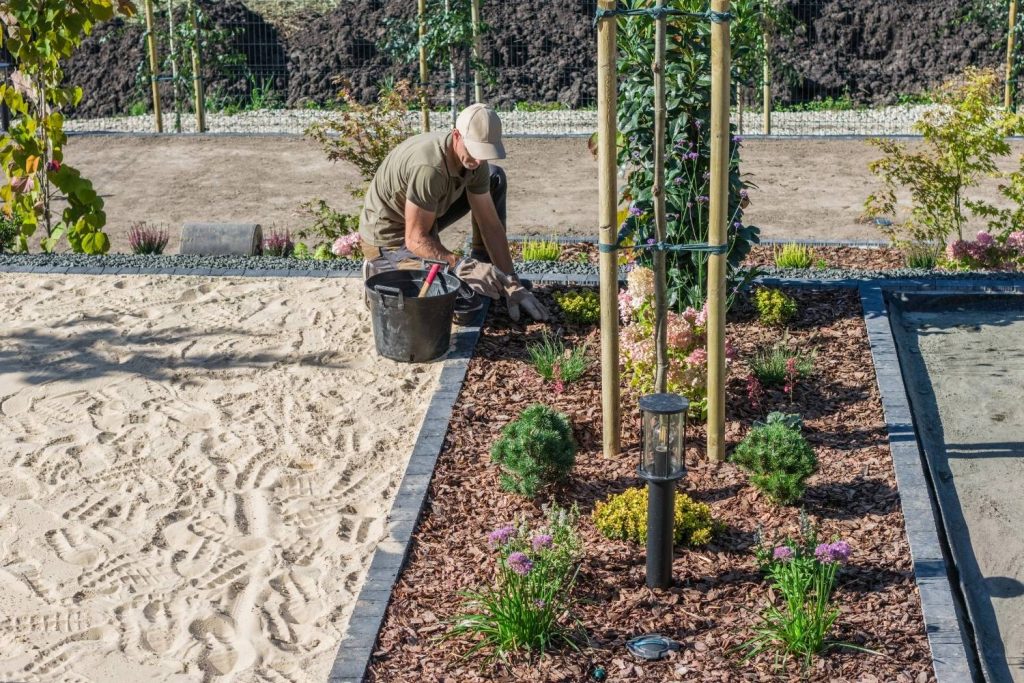
Using Low-Quality Mulch or No Mulch at All
Mulch is a vital tool in Sydney landscaping, yet many people skip it or use the wrong type.
Benefits of High-Quality Mulch
Keeps soil cool during summer
Prevents weed growth
Helps the soil retain moisture
Enriches soil as it breaks down
Mistakes to Avoid
Using mulch too close to plant stems
Applying thick, compacted layers
Choosing cheap mulch that attracts termites
Go for premium organic mulch for better water efficiency and plant health.
Forgetting About Outdoor Lighting Planning
A well-designed garden isn’t only enjoyed during the day. Many homeowners forget to integrate lighting into their landscaping early on.
Why Lighting Matters
Highlights pathways and reduces hazards
Enhances the property’s night-time appeal
Deterrent for intruders
Illuminates key plants and structures
Modern solar and LED fixtures make garden lighting more efficient and affordable than ever.
Overlooking Hardscape and Softscape Balance
A stunning outdoor space blends nature and structure. The mistake? Too much of either.
Signs Your Landscape Lacks Balance
Overuse of concrete or pavers
Gardens with excessive plants and no structure
No clear pathways, zones, or visual hierarchy
2026 Design Tip
Combine:
Plants
Stone features
Timber elements
Lighting
Functional spaces (seating, fire pits, etc.)
This creates a more complete, usable, and visually appealing outdoor environment.
Avoiding these top landscaping mistakes will save money, reduce maintenance, and help you create a garden that thrives in Sydney’s 2026 climate. By focusing on proper plant placement, watering smarter, building healthy soil, and avoiding common design errors, homeowners can enjoy a landscape that stays beautiful year-round.
If you’re planning a garden refresh or full landscape renovation in 2026, these insights will guide you toward a healthier, more sustainable, and visually compelling outdoor space.
Needing a great garden?
Hit the button below to arrange a conversation with me and we’ll chat about the best solution for your home.
We partner with quality tradesmen so you get the best of all worlds.

Do you have questions about landscaping or gardening?
Ask us in the comments below