

How to Make Great Compost in Australia: The Complete Beginner-to-Expert Guide
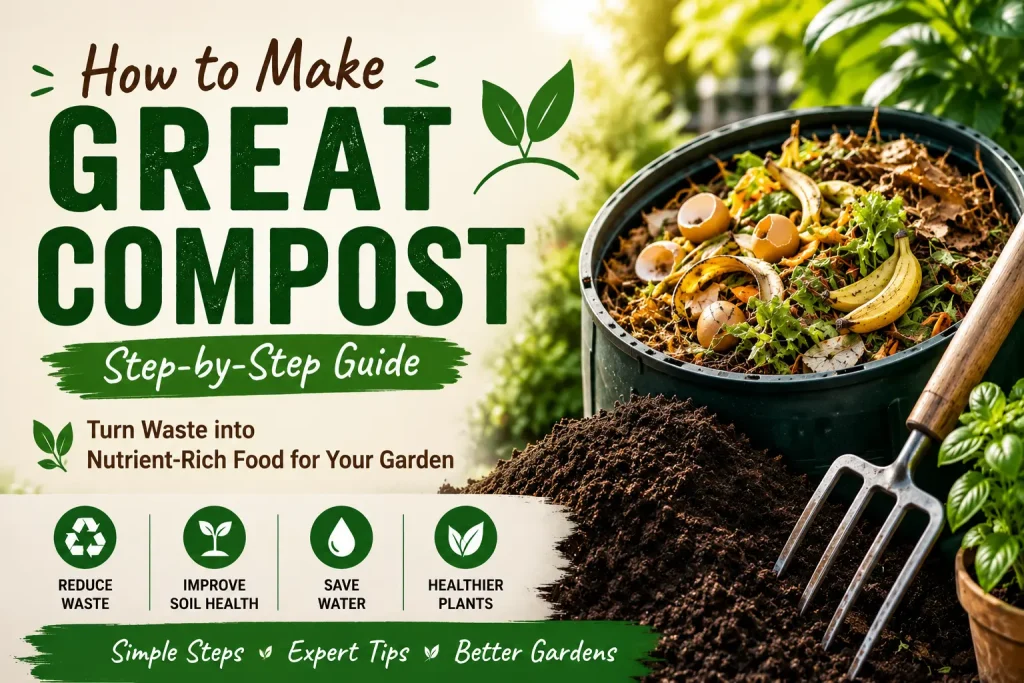
Composting is one of the smartest things Australian gardeners can do. Whether you live in sunny Queensland, coastal Sydney, dry Western Australia, or cool Tasmania, making compost helps transform kitchen scraps and garden waste into rich, healthy soil food for your plants.
Good compost improves soil quality, reduces household waste, saves money on fertilisers, and helps your garden thrive naturally. With Australia’s changing climate and dry conditions in many regions, compost is becoming essential for sustainable gardening.
In this complete guide, you’ll learn:
- What compost is
- Why compost matters in Australia
- Different composting methods
- Step-by-step compost making process
- Common mistakes to avoid
- What can and cannot be composted
- How compost improves gardens
- Best garden services in Australia
What Is Compost?
Compost is decomposed organic material made from food scraps, leaves, grass clippings, cardboard, and other natural waste. Over time, microorganisms break these materials down into dark, nutrient-rich soil known as “black gold” by gardeners.
Healthy compost contains:
- Nitrogen-rich materials (greens)
- Carbon-rich materials (browns)
- Oxygen
- Moisture
- Beneficial microbes
When balanced properly, compost becomes a powerful natural fertiliser.
Why Composting Is Important in Australia
Australia has unique gardening conditions. Many regions experience:
- Harsh sun
- Poor soil quality
- Drought conditions
- Water restrictions
- Sandy or clay-heavy soils
Compost helps solve many of these problems.
A neat lawn instantly elevates your garden. Regular mowing ensures healthy grass growth, while edging gives your garden that clean, polished look.
Benefits of Composting for Australian Gardens
1. Improves Soil Structure
Australian soil is often sandy or clay-heavy. Compost loosens compact clay and helps sandy soils hold moisture better.
2. Saves Water
Compost acts like a sponge, helping soil retain water longer. This is especially valuable during Australian summers and drought periods.
3. Reduces Household Waste
Food scraps and garden waste make up a huge percentage of household rubbish. Composting keeps waste out of landfill.
4. Adds Natural Nutrients
Compost provides slow-release nutrients such as:
Nitrogen
Phosphorus
Potassium
Calcium
Magnesium
5. Encourages Healthy Plants
Plants grown in compost-rich soil are often:
Stronger
More disease-resistant
More productive
6. Supports Sustainable Gardening
Composting reduces the need for chemical fertilisers and promotes eco-friendly gardening.
Understanding Greens and Browns
Successful composting depends on balancing two main ingredients.
Greens (Nitrogen-Rich Materials)
These provide moisture and nitrogen.
Examples include:
- Fruit scraps
- Vegetable peels
- Coffee grounds
- Grass clippings
- Tea bags
- Fresh leaves
Browns (Carbon-Rich Materials)
These provide carbon and airflow.
Examples include:
- Dry leaves
- Cardboard
- Newspaper
- Straw
- Small branches
- Sawdust
Best Compost Ratio
A good rule is:
- 2 to 3 parts browns
- 1 part greens
Too many greens create smell and slime. Too many browns slow decomposition.
Step-by-Step Guide to Making Great Compost
Step 1: Choose the Right Compost Bin
Popular compost systems in Australia include:
Compost Bins
Great for suburban homes and beginners.
Compost Tumblers
Easy to turn and faster decomposition.
Open Compost Piles
Best for large backyards.
Worm Farms
Excellent for apartments and small homes.
Bokashi Bins
Perfect for indoor composting and food scraps.
Step 2: Pick the Right Location
Place your compost bin:
- In partial shade
- On soil if possible
- Near a water source
- Away from strong winds
In hot Australian climates, too much sun can dry compost quickly.
Step 3: Start Layering
Begin with coarse brown materials for airflow.
Example layering:
- Twigs or straw
- Kitchen scraps
- Dry leaves or cardboard
- Grass clippings
- Soil or finished compost
Repeat the layers.
Step 4: Maintain Moisture
Compost should feel like a wrung-out sponge.
If it’s too dry:
- Add water or greens
If too wet:
- Add dry leaves or cardboard
Australian summers may require more watering.
Step 5: Turn the Compost
Turning adds oxygen and speeds decomposition.
Turn every:
- 1–2 weeks for fast compost
- Monthly for slower compost
Well-aerated compost smells earthy, not rotten.
Step 6: Wait for Decomposition
Depending on weather and maintenance, compost may take:
- 6–8 weeks in warm climates
- 3–6 months normally
Finished compost looks:
- Dark brown
- Crumbly
- Earthy-smelling
What You Can Compost
Safe Compost Materials
Kitchen Waste
Fruit scraps
Vegetable peels
Eggshells
Coffee grounds
Tea leaves
Garden Waste
Grass clippings
Dry leaves
Flowers
Small branches
Household Items
Shredded cardboard
Newspaper
Paper towels
Untreated wood chips
What NOT to Compost
Avoid these items:
- Meat
- Dairy
- Oily food
- Pet waste
- Diseased plants
- Glossy paper
- Large branches
- Coal ash
These can attract pests or create harmful bacteria.
Common Compost Problems and Solutions
Bad Smell
Causes:
Too wet
Too many greens
Fix:
Add browns
Turn pile
Compost Too Dry
Causes:
- Hot weather
- Lack of greens
Fix:
- Add water
- Add fresh scraps
Compost Not Breaking Down
Causes:
- Poor airflow
- Wrong balance
Fix:
- Turn more often
- Chop materials smaller
Pests and Flies
Causes:
- Food exposed
- Meat or dairy added
Fix:
- Cover scraps with browns
- Avoid prohibited items
Best Composting Methods for Australian Homes
1. Traditional Compost Bin
Best for:
- Families
- Medium-sized gardens
Affordable and easy to manage.
2. Worm Farming
Best for:
- Apartments
- Small spaces
Worms produce nutrient-rich worm castings and liquid fertiliser.
Popular worms:
- Tiger worms
- Red wigglers
3. Bokashi Composting
Best for:
- Indoor use
- Small kitchens
Uses fermentation instead of decomposition.
4. Hot Composting
Best for:
- Fast results
- Experienced gardeners
Requires careful balancing and regular turning.
How Compost Helps Gardening
Compost dramatically improves garden performance.
Vegetable Gardens
Compost helps grow:
- Tomatoes
- Cucumbers
- Lettuce
- Chillies
- Herbs
Vegetables grow faster and healthier.
Native Australian Plants
Many natives prefer improved but well-drained soil. Compost enhances soil biology without overfeeding plants.
Great for:
- Grevilleas
- Bottlebrush
- Lilly pilly
- Kangaroo paw
Lawn Improvement
Compost helps lawns:
- Stay greener
- Resist drought
- Develop deeper roots
Flower Gardens
Flowers benefit from improved nutrients and moisture retention.
Seasonal Composting Tips for Australia
Summer
- Keep compost moist
- Avoid direct harsh sunlight
- Turn more often
Autumn
- Excellent season due to falling leaves
- Add dry materials regularly
Winter
- Decomposition slows
- Keep pile insulated
Spring
- Perfect time to use finished compost
- Start new compost batches
Expert Composting Tips
Chop Materials Smaller
Smaller pieces decompose faster.
Avoid Adding Too Much Grass
Fresh grass can become slimy.
Use Compost Accelerators Carefully
Natural activators like aged manure work well.
Keep a Lid on Bins
Helps retain moisture and keeps pests away.
Add Finished Compost to New Batches
This introduces beneficial microbes.
Final Thoughts
Composting is one of the easiest and most rewarding ways to improve your Australian garden naturally. Whether you grow vegetables, flowers, herbs, or native plants, quality compost builds healthier soil and stronger plants.
The secret is balance:
- Greens and browns
- Moisture and airflow
- Patience and consistency
Once you start composting, you’ll reduce waste, save money, and create a more sustainable garden for years to come.
Australian gardeners are increasingly turning to composting because it works beautifully with our climate and gardening challenges. Even a small compost bin can make a huge difference to your garden health.
Start small, stay consistent, and soon you’ll have rich homemade compost that your plants will love.
Needing a great garden?
Hit the button below to arrange a conversation with me and we’ll chat about the best solution for your home.
We partner with quality tradesmen so you get the best of all worlds.

Do you have questions about landscaping or gardening?
Ask us in the comments below